

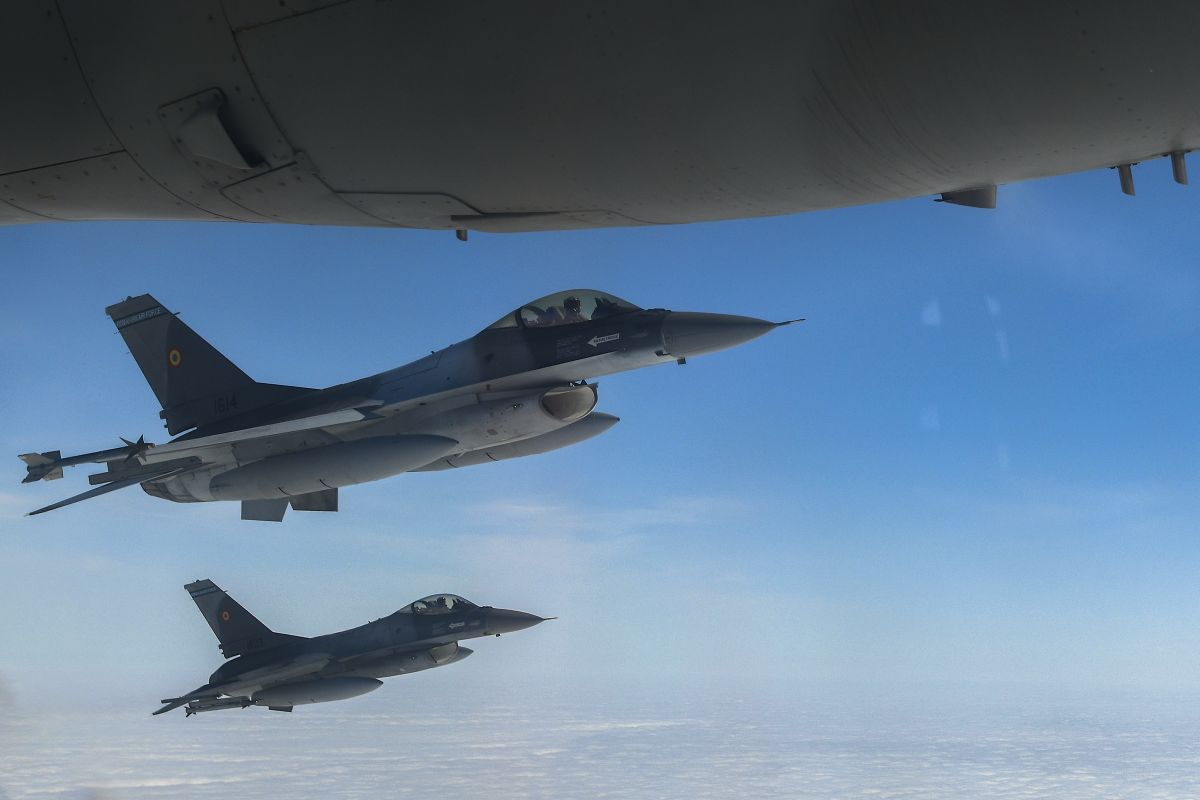
Deși România și-a consolidat în ultimii ani capacitățile de apărare, pe fondul intensificării incursiunilor dronelor rusești în spațiul aerian național, populația continuă să se simtă vulnerabilă. Barometrul de Securitate Națională INSCOP din martie 2026 arată că 46,4% dintre români consideră țara nesigură. În același timp, majoritatea respondenților susțin creșterea investițiilor în apărare, dar și dezvoltarea unor programe de pregătire a populației pentru situații de criză, precum evacuarea în caz de urgență. Aceste rezultate evidențiază o discrepanță între eforturile autorităților de consolidare a apărării militare și așteptările cetățenilor privind propria siguranță. În lipsa unor măsuri care să răspundă acestor preocupări, sentimentul de insecuritate riscă să se accentueze, alimentând totodată neîncrederea în instituțiile statului.
Articol publicat în cadrul programului „The Black Sea Desk: Writing the Region into Europe”, organizat de Freedom House/Presshub, împreună cu The Black Sea Trust for Regional Cooperation, din cadrul German Marshall Fund.
Programul reunește participanți din România, Georgia și Armenia într-o redacție virtuală în care se lucrează la articole dedicate unor teme precum integrarea europeană, securitatea regională, geopolitica Mării Negre, combaterea dezinformării și evoluțiile din vecinătatea estică a Uniunii Europene.
Defending Romania against Russian Drones: Do its People Feel any Safer?
The last few years have seen an increase in Russian drone incursions into Romanian airspace. This has brought closer to the public’s attention not only the implications of Russia’s war against Ukraine, but also the fear that comes with having a war right on your doorstep.
2025 marked a turning point. Drone incursions intensified, but they also prompted a shift in Romania’s Black Sea security paradigm, reflected in the National Defence Strategy for 2025-2030. Concrete measures accompanied this shift, including the adoption by Parliament of a law authorizing the shooting down of drones illegally entering Romanian airspace, as well as the enhancement of counter-drone defence systems.
But despite Romania’s efforts to strengthen its defence capabilities, incursions of Russian drones continued to increase in 2026. As of 18 October, six drones that had entered the national airspace had been shot down and another 44 had been recovered and neutralized on Romanian territory.
This raises an important question: do Romanians feel any safer now that the country’s counter-drone defence capabilities have been strengthened?
The National Security Barometer published by INSCOP Research in March 2026 appears to suggest otherwise. According to the survey, 46.4% of respondents considered Romania to be a somewhat unsafe or very unsafe country in terms of national security. Arguably, this perception of insecurity is also reflected in a desire for increased defence spending and for the build-up of Romania’s industrial and technological capabilities. Indeed, 75.6% of respondents supported higher defence spending, while 69.3% and 22.1% considered the development of industrial and technological capabilities very important and quite important, respectively.
The barometer thus captures a considerable degree of insecurity among the population. This sentiment can also be identified in testimonies from communities affected by the recent years spillovers of the war in Ukraine. Residents in Galați, a city close to Romania’s borders with Moldova and Ukraine, provide a telling example. Following an incident in which a Russian drone struck an apartment building, residents told the BBC that they increasingly feared for their safety. Similar concerns emerged from testimonies gathered by The Guardian, which reported on fears of further escalation among residents of communities living close to the border with Ukraine.
In light of these events, it can be argued that Romania has taken important steps in recent years to enhance its defence capabilities. Why, then, does insecurity persist?
Some of the answers may be found in the same INSCOP barometer. A large majority of respondents expressed support for state-led crisis preparedness programmes: for instance, 81.4% of those interviewed agreed that the state should organise courses for drone operators in high schools and technical colleges, while 94.4% agreed that the state should provide citizens with training programs covering emergency evacuation procedures.
Therefore, what we see here is that Romanians are asking for concrete measures that can increase their own preparedness for a crisis and arguably make them feel more secure. But what we can also see is a discrepancy between public expectations and the authorities’ response. Although Romania has taken concrete steps to strengthen its defence capabilities in recent years, people’s expectations for measures that address their own security concerns remain unmet. In this respect, the barometer indicates that the authorities are falling short of public expectations, which may explain why people continue to feel unsafe.
Failing to adequately address these expectations can have significant consequences. In the short run, it can undermine the authorities’ standing as a reliable source of security for the public. The already low levels of public trust in the Government and Parliament suggest that this process is already underway. But in the longer term, if a crisis were to occur, a lack of public confidence in the authorities could make Romania ungovernable.
(FOTO: Inquam Photos / Eduard Vanatoru)