

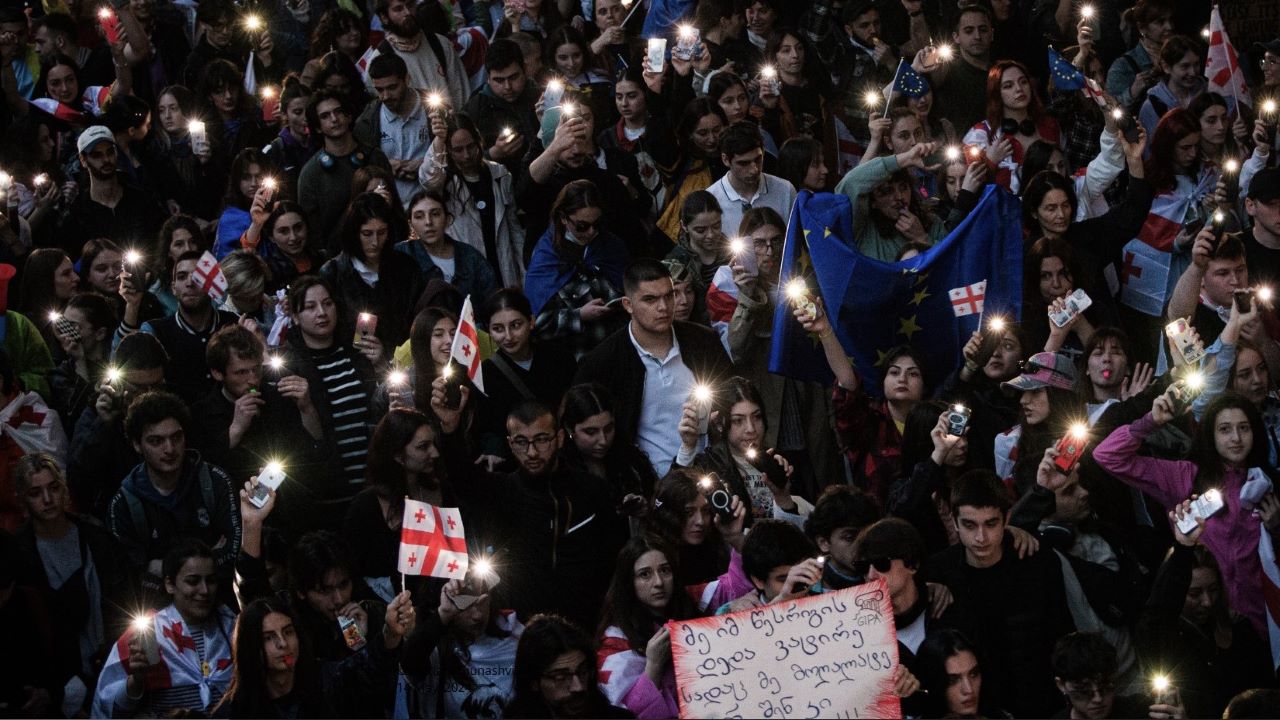
Pe 28 noiembrie se împlinesc doi ani de când premierul Irakli Kobakhidze anunța că Georgia sistează negocierile de aderare la Uniunea Europeană, cel puțin până în 2028. Decizie care a scos sute de mii de oameni în stradă, un vârf al valului de proteste început cu un an mai devreme.
Astăzi, tinerii din Generația Z – cei au fost în prima linie a protestelor proeuropene aproape zilnice în 2023 și 2024 – sunt tot mai puțin prezenți în stradă. Nu pentru că și-ar fi schimbat opțiunea europeană, ci din cauza represiunii autorităților, a amenzilor mari, a condamnărilor la închisoare și a epuizării fizice și psihice.
Mișcarea de protest s-a extins și și-a diversificat revendicările, dar lipsa unei conduceri clare îi îngreunează mobilizarea. În plus, emigrarea tinerilor reduce numărul celor care mai pot participa la manifestații. Autorul avertizează că strategia partidului de guvernământ Visul Georgian ar putea fi tocmai aceea de a aștepta ca generația tânără să obosească, să se teamă sau să plece din țară, în timp ce parcursul european al Georgiei rămâne blocat.
Articol publicat în cadrul programului „The Black Sea Desk: Writing the Region into Europe”, organizat de Freedom House/Presshub, împreună cu The Black Sea Trust for Regional Cooperation, din cadrul German Marshall Fund.
Programul reunește participanți din România, Georgia și Armenia într-o redacție virtuală în care se lucrează la articole dedicate unor teme precum integrarea europeană, securitatea regională, geopolitica Mării Negre, combaterea dezinformării și evoluțiile din vecinătatea estică a Uniunii Europene.
Georgia’s Gen Z led the fight for Europe: why did it step back?
Young Georgians turned the streets of Tbilisi into a fight for Europe in 2023 and 2024. Two years into nightly protests, many of them have gone quiet. Fines, prison and exhaustion help explain why.
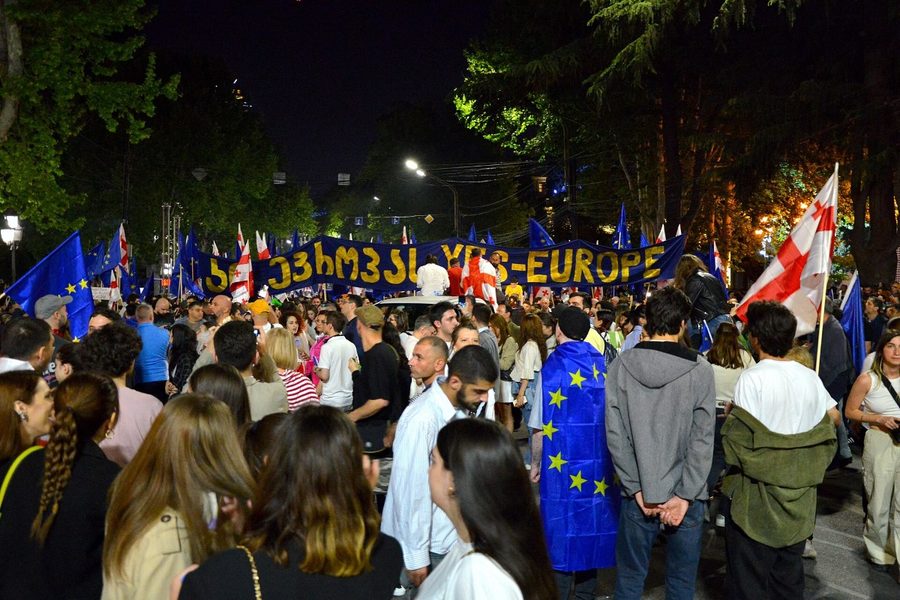
In spring 2024, Rustaveli Avenue in Tbilisi was full of teenagers and students. When police turned water cannons on them, some even jumped and played in the spray. Two years later, the scene outside Georgia’s parliament looks very different. Protesters still gather every night, and on 16 November, they met for the 720th night in a row. But the crowd has grown smaller, and many of the young faces are gone.
To understand why, it helps to know who these young people are. “Gen Z” means people born roughly between 1997 and 2012. In Georgia, this generation grew up in a very different country from their parents. They have no ties to the Soviet past, and they are used to seeing EU flags flying next to Georgian ones. Since 2017, they have also been able to travel to most of Europe without a visa. So for them, Europe was never an abstract idea. It was part of normal life.
That is why, for two years, Gen Z was the engine of Georgian protest. It started in March 2023, when the government tried to pass a “foreign agents” law. Critics called it the “Russian law”, because it copied a law the Kremlin uses to silence its opponents. Young people took charge of the streets for the first time, and the government backed down and withdrew the bill. When the law returned in 2024, they came back in even bigger numbers and became the defining force of the protests. Then, on 28 November 2024, Prime Minister Irakli Kobakhidze announced that EU membership talks would be put on hold until 2028. His statement brought hundreds of thousands back onto the streets. This time, however, people of every age joined in, not just the young.
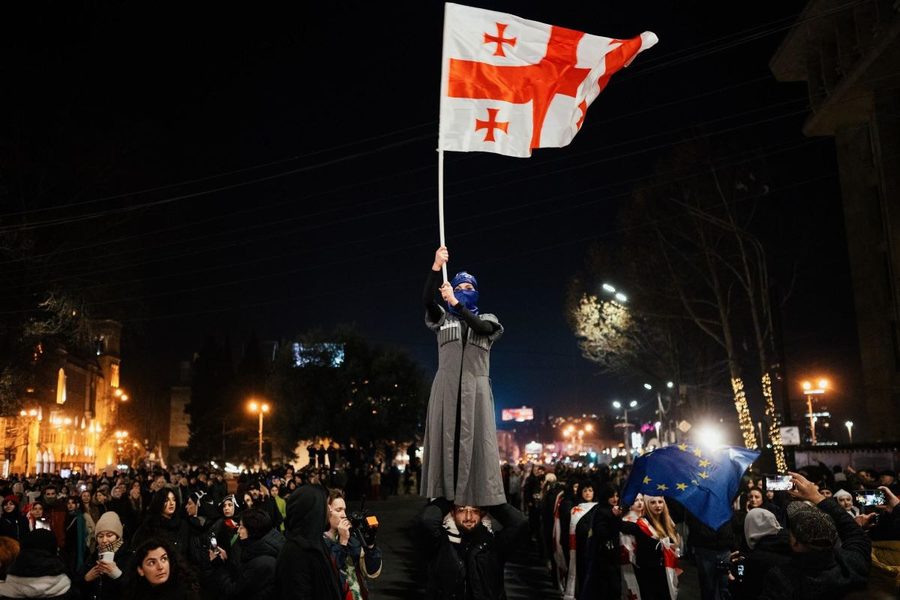
So what changed? The first answer is fear of punishment. The government met the new wave of protests with force, as police used tear gas and water cannons night after night. The ruling Georgian Dream party calls the protests an attempted violent revolution, and within weeks, it began tightening the rules. In December 2024, it raised the fine for „blocking a road” tenfold, to 5,000 lari, which is more than twice the average monthly income. For a student, a single fine can mean months of debt. Then, in October 2025, new rules turned repeat “offences”, such as wearing a mask or stepping onto the road, into crimes punishable by up to two years in prison. At the same time, courts handed young protesters long sentences. A 21-year-old medical student got five years for allegedly assaulting police, while a 19-year-old got more than four years for allegedly kicking an officer. The message was clear: protesting can cost you your future.
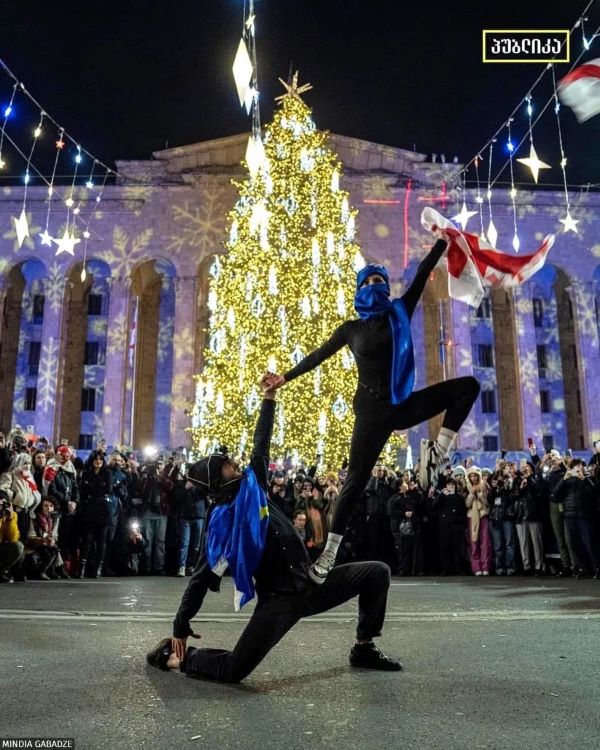
Fear is not the only reason, though. Many young people are simply exhausted. Some have been on the streets since 2022, first for Ukraine, then against the “Russian law”, and then for Europe. Three years of this have been physically and emotionally draining, especially for students who also have exams, jobs, and lives to live. Diaries kept by young protesters describe pride and hope, but also disappointment and confusion.
The movement’s own shape has not helped either. In 2023, the demand was simple: drop the “Russian law”. And it worked. Today, by contrast, protesters ask for many things at once: new elections, freedom for prisoners and a return to the EU path. The movement also has no single leader. This makes it harder for the government to crush, but it can also leave people unsure where the movement is going.
Finally, some young people have chosen a quieter exit: they leave. In 2025, 114,374 people left Georgia, and most of them were young, according to official data. Every student who moves abroad is one less voice on Rustaveli Avenue.
All of this matters for Georgia’s future. Georgian Dream does not need to win the argument. It only needs to wait until the young generation is too tired, too scared or too far away to come back. Ironically, even Europe’s pressure could hurt young people. The EU has already ended visa-free travel for Georgian officials, and a full suspension for all citizens remains possible. If that happens, Gen Z would lose the one piece of Europe it already has.
In the end, Gen Z has not changed its mind. Instead, it has been pushed off the street by fines, prison and fatigue, which is exactly what the crackdown was designed to do. On 28 November, Georgians will mark two years since the EU talks were frozen, and a large rally is planned. Whether young people come back that night may say more about Georgia’s European future than any speech in Brussels.