

În contextul intensificării amenințărilor la Marea Neagră, comunicarea autorităților române pare să oscileze între mesaje de reasigurare și avertismente privind riscurile de securitate. După ce președintele Nicușor Dan a dat asigurări că litoralul românesc este sigur pentru turiști, în urma exploziei unei drone navale în portul Constanța, discursul oficial s-a orientat treptat către necesitatea unei supravegheri maritime sporite și a consolidării capacităților de apărare prin sprijinul NATO și al Uniunii Europene.
Atacurile repetate asupra navelor comerciale și avertizările RO-Alert scot însă la iveală vulnerabilitățile României și diferența dintre mesajele transmise public și capacitatea efectivă de răspuns. Cum reușește România să comunice amenințările de la Marea Neagră și ce efect au aceste mesaje asupra percepției publice privind securitatea națională?
Articol publicat în cadrul programului „The Black Sea Desk: Writing the Region into Europe”, organizat de Freedom House/Presshub, împreună cu The Black Sea Trust for Regional Cooperation, din cadrul German Marshall Fund.
Programul reunește participanți din România, Georgia și Armenia într-o redacție virtuală în care se lucrează la articole dedicate unor teme precum integrarea europeană, securitatea regională, geopolitica Mării Negre, combaterea dezinformării și evoluțiile din vecinătatea estică a Uniunii Europene.
Mixed signals: How Romania Communicates the Black Sea
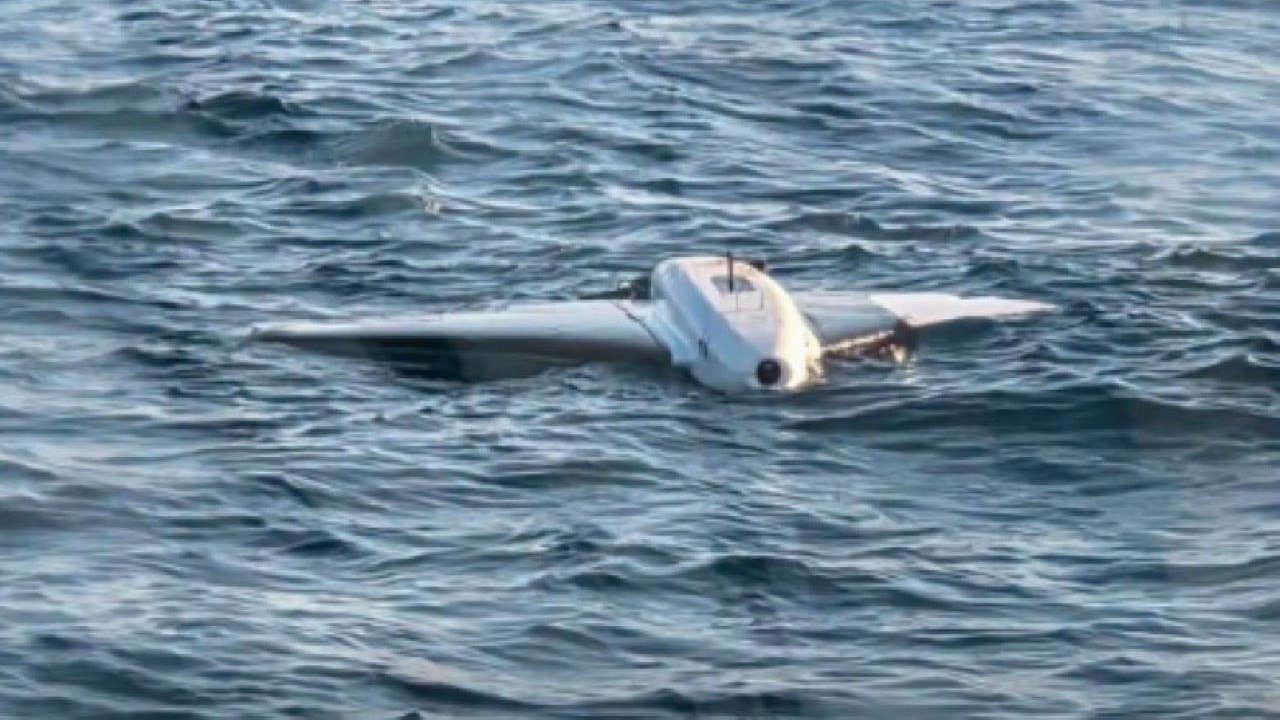
On 6 June, a day after a Ukrainian naval drone exploded in Constanța’s port, President Nicușor Dan told residents and tourists that the coast would be safe for the summer. The drone was one of four that Ukraine said it had lost control of, and Romanian outlets reported that Russia had allegedly taken it over. The same day, President Dan conceded that conventional radars do not detect this type of sea drone.
Romania’s Black Sea communication reveals a security problem.
In June 2026, President Dan conveyed two messages at once: that the coast is safe enough for a summer holiday, to reassure hoteliers, and that the wider sea needs stronger NATO oversight and the EU’s planned maritime security hub, shared with Bulgaria, and on June 6 he said more equipment was expected and the matter would go to the North Atlantic Council, which met on June 10 at Romania’s request.
By autumn the holiday argument had lapsed: the resorts President Dan addressed in June had closed for the season. After drone strikes on ships off Romania and Bulgaria, Dan told Euronews on October 16 that NATO oversight should increase, and told Bloomberg that the sea would not be fully safe until the war ended. The morning after he convened the Supreme Council of National Defence (CSAT), Romania’s national security council, on October 22, the cargo ship Khoryv sank after a drone strike, killing one sailor and leaving three missing. Romania has attributed this incident to Russia.
Less formal political communications portray the same image of unpreparedness. On October 14, Dan posted on X that Romania and Bulgaria would press for stronger counter-drone measures within the EU and NATO, and on October 15, after meeting NATO’s Mark Rutte, that Romania and its allies were committed to defending its territory, waters and airspace.
In the north-east, messages came from the national alert system, Ro-Alert, which warned residents of possible falling objects on September 8, reportedly the first such warning there, and again on September 13 and October 31. These alerts instruct people to take shelter; none contains reassurance or a request to allies.
On November 10, Prime Minister Luca Niculescu warned that Romania must prepare for drone incursions, threats to navigation and more frequent cyberattacks. In Dublin on November 12, Dan said he had discussed German participation in the hub with Chancellor Merz. On November 15, a day after three ships were hit near Sulina, Niculescu stressed that there were no casualties, while Defence Minister Radu Oprea asked allies for observation aircraft and anti-drone equipment. The request described in June was still being made five months later.
Abroad, the language was one of threat and response. On November 9, Ursula von der Leyen told Romania and Bulgaria they could count on a “firm and united European response” and announced €50m to accelerate the hub . Bulgaria, the hub’s co-host, has been more cautious: on October 26, Prime Minister Rumen Radev said Romania had blamed Russia without evidence, since Dan had said on October 16 that the drones’ origin was not yet technically confirmed.
Radev also implied that Romania’s attribution provoked further strikes, although the sequence alone does not establish a causal link.
This evolution suggests that Romania’s message changes more with its capacity to respond than with the incidents that happen.
Reassurance about the coast held only until another incident exposed the detection gap Dan described in June; once ships were struck at sea, the message turned to attribution and to equipment requests that are still being made in November.
This uncertainty matters because Romania’s leadership is communicating a fast-changing security environment without yet having settled on a clear preparation plan, especially since the threat is experienced differently on the coast, in north-eastern Romania and on the international arena.