

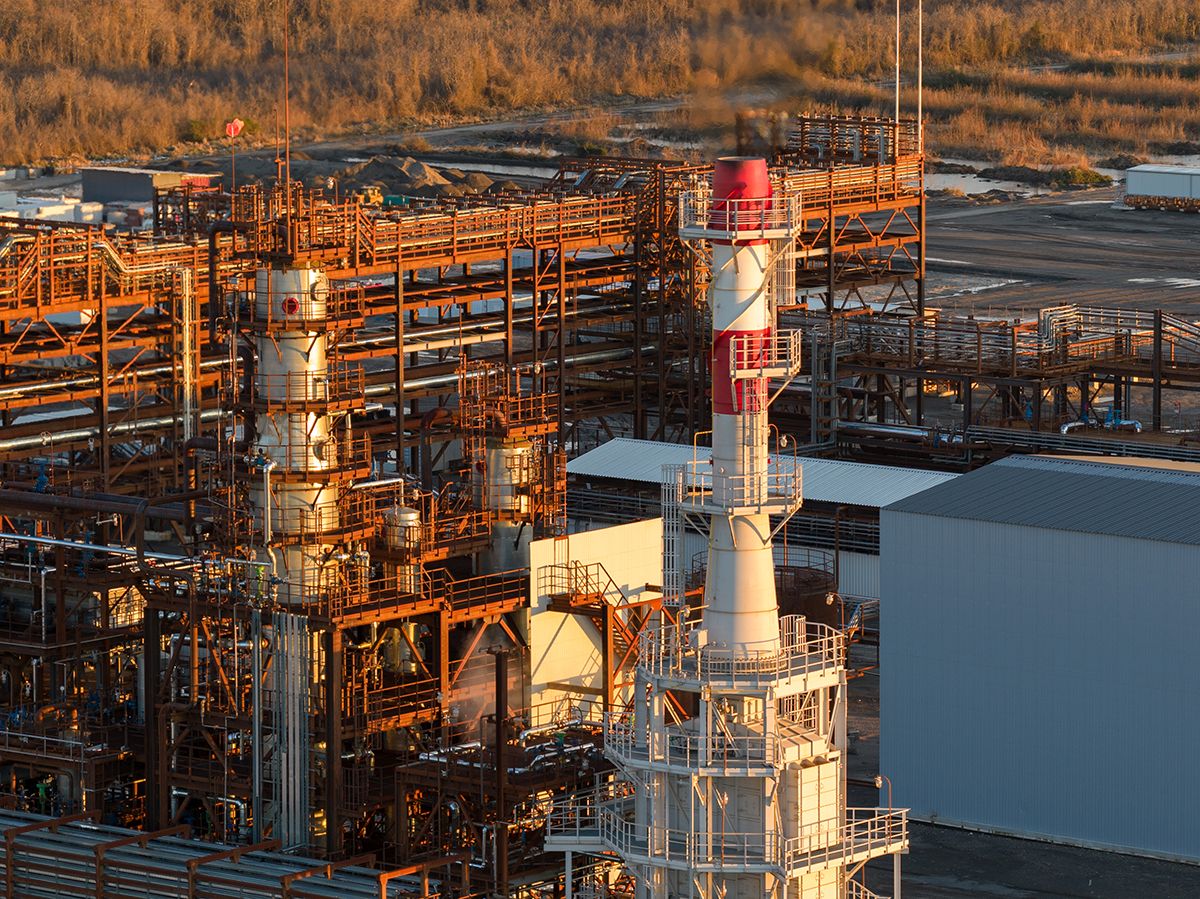
Rafinăria de la Kulevi, de pe coasta georgiană a Mării Negre, a intrat în funcțiune în octombrie 2025, iar prima sa livrare a fost de 105.000 de tone de țiței rusesc, transportat de o navă din așa-numita „flotă din umbră” a Moscovei. Între octombrie 2025 și mai 2026, instalația a primit șase transporturi de petrol din Rusia. Situația ridică suspiciuni că Georgia ar putea deveni o cale prin care petrolul rusesc este procesat și apoi reexportat ca produs georgian, ocolind astfel sancțiunile occidentale. Suspiciunile sunt alimentate și de creșterea exporturilor de petrol ale Georgiei, deși țara produce foarte puțin țiței, precum și de dependența rafinăriei de aprovizionarea din Rusia.
Cazul pune în pericol și credibilitatea Coridorului de Mijloc, ruta comercială care leagă China și Asia Centrală de Europa prin Marea Caspică și Georgia, menită să ofere o alternativă la tranzitul prin Rusia. Uniunea Europeană a inclus rafinăria pe lista sancțiunilor în iulie 2026 și i-a dat șase luni să renunțe la petrolul rusesc, în caz contrar urmând să nu mai poată opera din ianuarie 2027.
Proprietarul instalației susține că a oprit importurile din Rusia la 23 august și că folosește acum petrol din Libia și Kazahstan, dar Comisia Europeană trebuie să verifice dacă angajamentul este respectat. Rămân, de asemenea, întrebări privind legăturile proprietarilor rafinăriei cu persoane asociate serviciilor ruse de informații și cu oameni de afaceri sancționați.
Articol publicat în cadrul programului „The Black Sea Desk: Writing the Region into Europe”, organizat de Freedom House/Presshub, împreună cu The Black Sea Trust for Regional Cooperation, din cadrul German Marshall Fund.
Programul reunește participanți din România, Georgia și Armenia într-o redacție virtuală în care se lucrează la articole dedicate unor teme precum integrarea europeană, securitatea regională, geopolitica Mării Negre, combaterea dezinformării și evoluțiile din vecinătatea estică a Uniunii Europene.
When Russian oil gets a Georgian passport: why a Black Sea refinery worries Brussels
A small refinery on Georgia’s coast started life on Russian oil. Now it could decide whether Europe’s favourite new trade route stays clean.
Kulevi is a quiet village on Georgia’s Black Sea coast. But its new oil refinery has become a big headache for Europe. The plant opened in October 2025, and its very first cargo was Russian crude oil.
Some basics first. A refinery turns raw crude oil into fuels like diesel and petrol. Kulevi’s first delivery came from the Russian company Russneft: about 105,000 tonnes of Siberian oil, shipped from the Russian port of Novorossiysk. Between October 2025 and May 2026, the refinery took six Russian shipments.
The ship that brought that first cargo matters too. Independent sources describe the tanker Kayseri as part of Russia’s “shadow fleet”. These are old tankers with unclear owners. Russia uses them to keep selling oil while it dodges Western sanctions. That oil money helps pay for the war in Ukraine.
This is why Kulevi worries people. When Russian oil is refined abroad, the fuel can lose its Russian label. It can then reach Europe as “Georgian” fuel. The numbers suggest this is already happening. Georgia produces almost no oil of its own. Yet from 2022 to 2024, it exported more than four times as much oil as in the three years before the war. Its purchases from Russia jumped too. In 2021, Georgia bought 225,000 tonnes of Russian petroleum products. In 2022, the year the full-scale war began, it bought 658,000 tonnes, nearly three times as much. By this summer, about 99% of Georgia’s crude oil came from Russia. Put simply, Georgia has become a laundromat for Russian oil. Russian oil goes in, and fuel with a cleaner label comes out.
Europe has a bigger reason to care. Since the war began, the EU has needed trade routes that avoid Russia. Its favourite is the “Middle Corridor”. This route runs from China and Central Asia, across the Caspian Sea, through Georgia and on to Europe. Brussels plans to raise up to €12 billion to develop it. Georgia’s ports are the corridor’s door to the Black Sea.
Kulevi could poison that route. A corridor built to bypass Russia makes little sense if it quietly carries Russian oil.
Brussels has noticed. Early this year, the EU planned to sanction Kulevi port. It dropped the plan in March after Georgia promised to keep sanctioned ships out. Then, in July, the EU put the refinery itself on its sanctions list. It gave the plant six months to drop Russian oil, or face a ban from January 2027. It was the EU’s first move against a refinery outside Russia.
Georgia pushed back. Its foreign ministry said the decision had no factual or legal grounds. The refinery’s owner, Black Sea Petroleum, says it stopped using Russian crude on 23 August. It now buys oil from Libya and Kazakhstan.
But promises are easy, and checking is hard. EU officials say Kulevi can leave the list only after the European Commission verifies compliance. Questions also remain about who stands behind the plant. Investigators have linked its owners to people tied to Russian intelligence and to sanctioned businessmen.
So Kulevi is more than a refinery: it is a test of what the Middle Corridor is really worth. For the Kremlin, energy is both a favourite weapon and a cash machine. Moscow has cut off gas to Ukraine again and again since 2009, and to Poland and Bulgaria in 2022. At the same time, oil and gas still bring in about a fifth of Russia’s state budget and help pay for the war. Europe is building the corridor to escape both. But just as Russian oil with a Georgian label is still Russian oil, the corridor could become an alternative to Russia in name only if Georgia keeps drifting closer to Moscow. By January, Georgia must show which way it is heading.
(Foto: Rafinăria de la Kulevi. Sursa foto: Black Sea Petroleum)
Citește și: Apărarea României în fața dronelor rusești: Se simt românii mai în siguranță?