

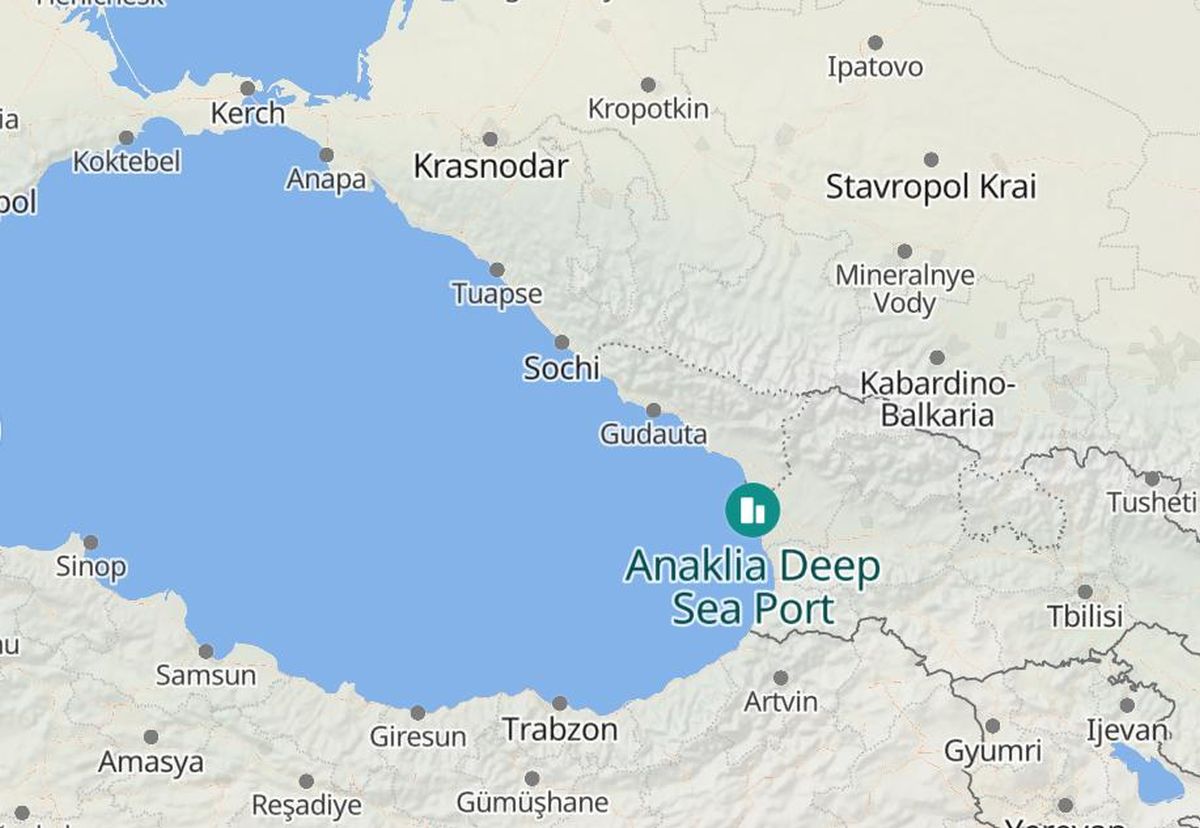
Construirea primului portului maritim de mare adâncime din Georgia, la Anaklia, reprezintă o oportunitate majoră pentru țară de a-și consolida poziția de nod regional de transport și de a valorifica mai eficient potențialul său la Marea Neagră. Proiectul ar putea crește capacitatea comercială a Georgiei, extinde conexiunile cu Uniunea Europeană și întări rolul Georgiei în Coridorul de Mijloc, care leagă Asia Centrală de Europa. În același timp, apar întrebări privind posibilele beneficii indirecte pentru Rusia și implicațiile geopolitice ale investiției. Deși nu există dovezi solide că portul ar putea deveni un activ strategic rusesc, succesul proiectului va depinde de transparența gestionării sale și de protejarea infrastructurii de influențe și interese care ar putea afecta parcursul european al Georgiei.
Articol publicat în cadrul programului „The Black Sea Desk: Writing the Region into Europe”, organizat de Freedom House/Presshub, împreună cu The Black Sea Trust for Regional Cooperation, din cadrul German Marshall Fund.
Programul reunește participanți din România, Georgia și Armenia într-o redacție virtuală în care se lucrează la articole dedicate unor teme precum integrarea europeană, securitatea regională, geopolitica Mării Negre, combaterea dezinformării și evoluțiile din vecinătatea estică a Uniunii Europene.
Anaklia Deep Sea Port: Hope for Strengthening Georgia’s Role as a Transit Hub, Reviving EU-Georgia Relations or Serving Russian interests?
As Georgia intensifies the construction of the Anaklia Deep Sea Port, questions remain about whose interests it will ultimately serve. Will the new port strengthen Georgia’s position as a regional transit hub and deepen its economic ties with the European Union or could it also directly or indirectly advance the interests of the Russian state?
Anaklia, the very first deep sea port project still under construction on Georgia’s Black Sea coast with its proposed “landlord” model, implying 100 % state ownership and private sector-led operations, has had a turbulent history as several different regimes and governments have tried to approach its construction and terminal management. After decades of delays, terminated contracts and abrupt stakeholder withdrawals, Georgian government has renewed the project with full force, allocating approximately 50 million USD for Anaklia’s maritime infrastructure.
Despite Georgia’s direct access to the Black Sea and its extensive 310 kilometres coastline, the country’s maritime potential still remains largely untapped and underutilized. Georgia already has two major commercial ports in Batumi and Poti. However, neither of these ports has the capacity of receiving large vessels. For example, Poti port which is the largest port in Georgia only receives 550 000 TEU annually, with one TEU corresponding to a 6 metere shipping container, making Georgia’s throughput considerably lower than the rest of the Black Sea countries. According to the statistics, in 2023, Varna, one of Bulgaria’s ports has handled higher volume cargo than both Georgian ports combined. Anaklia Deep Sea Port could effectively address the country’s maritime infrastructure gap. According to the Georgian Vice Prime-Minister Mariam Kvrivishvili, Anaklia Deep Sea Port will boast a capacity of processing at least one million TEU by 2035, making Georgia a powerful maritime actor along the middle corridor. Therefore, Anaklia Deep Sea Port is paramount to gaining more significance as a regional transit hub and translating Georgia’s geographic advantages into real economic benefit and regional connectivity.
Can Anaklia Deep Sea port serve the interests of the Russian State? It’s a valid concern that Russia could potentially directly or indirectly benefit from Anaklia Deep Sea port. However, there is no sound evidence that Anaklia can somehow become a strategic asset for Russia. Russia could potentially benefit from commercial activity generated by Anaklia deep sea port, in much the same way it can benefit from activity in any other Black Sea port. Moreover, Georgian government has no incentive to jeopardize its position in the middle corridor by exposing its maritime infrastructure to businesses that are facing international sanctions. Doing so would defeat the point of millions of dollars of investment in a deep sea port which is intended to maximize Georgia’s economic gains and its position in the middle corridor.
Will Anaklia help revive and deepen EU-Georgia relations? Georgia already has direct ferry services to Romania and Bulgaria, however, Anaklia Deep Sea Port can expand the scale and capacity of these connections. According to Papuna Davitaia, the Black Sea security scholar, “The Anaklia deep-sea port project represents a strategically significant component of Georgia’s ambition to consolidate its role as a key transit and logistics hub within the Trans-Caspian International Transport Route. Beyond its economic potential to facilitate increased cargo flows and strengthen multimodal connectivity, Anaklia constitutes a geopolitical asset that could enhance Georgia’s strategic relevance to European and Euro-Atlantic partners by contributing to supply-chain diversification and regional resilience.”
In conclusion, Anaklia Deep Sea Port represents a significant opportunity for Georgia to boost its economy and consolidate its position as a regional transit hub. However, the success of the project will largely depend on multiple factors. Nevertheless, expanding Georgia’s maritime capacity offers a monumental opportunity for Georgia to benefit economically as well as politically.
Citește și: Apărarea României în fața dronelor rusești: Se simt românii mai în siguranță?