

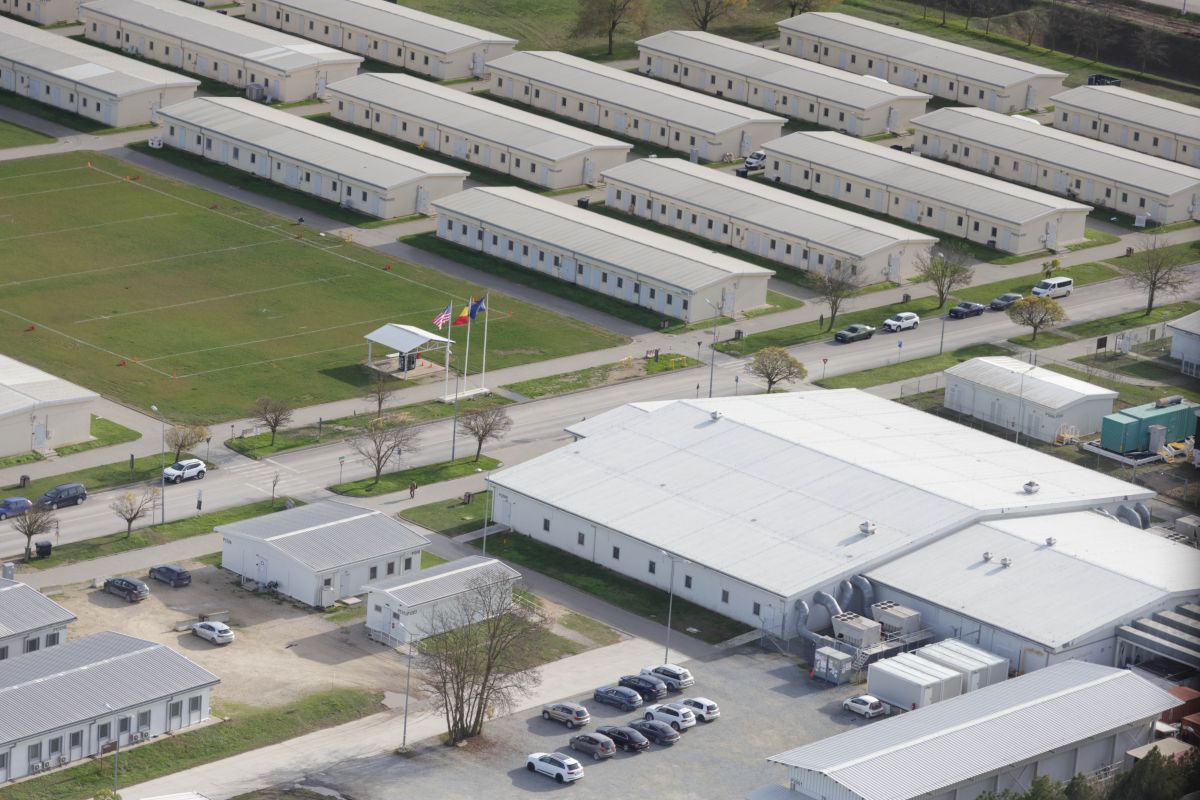
România investește 2,5 miliarde de euro în extinderea bazei militare de la Mihail Kogălniceanu, lângă Constanța, cu obiectivul de a o transforma, până în jurul anului 2040, într-un adevărat oraș-garnizoană, cu locuințe, școală și spital pentru militarii aliați și familiile lor.
Proiectul continuă chiar și după ce Pentagonul a retras, în octombrie 2025, o brigadă a Diviziei 101 Aeropurtate, fără să o înlocuiască. România finanțează aproape integral investiția, ceea ce înseamnă că baza va rămâne sub control românesc, indiferent de evoluția prezenței militare americane. Dar nu este clar câți militari aliați vor fi staționați acolo în viitor și nici dacă economia locală va beneficia cu adevărat de investiție. Miza ar fi ca investiția strategică a României să aducă beneficii și comunităților din Dobrogea, nu doar infrastructură militară pentru NATO.
Articol publicat în cadrul programului „The Black Sea Desk: Writing the Region into Europe”, organizat de Freedom House/Presshub, împreună cu The Black Sea Trust for Regional Cooperation, din cadrul German Marshall Fund.
Programul reunește participanți din România, Georgia și Armenia într-o redacție virtuală în care se lucrează la articole dedicate unor teme precum integrarea europeană, securitatea regională, geopolitica Mării Negre, combaterea dezinformării și evoluțiile din vecinătatea estică a Uniunii Europene.
Built to stay: Romania’s military city and the region around it
It would be hard to find a more consequential building site on NATO’s eastern flank than the airfield outside Mihail Kogălniceanu, near Romania’s Black Sea coast.
Romania’s air force moved fighters there in 1955, the year it signed the Warsaw Pact. American aircraft have used it for more than two decades. Now, beyond the fence, on farmland expropriated from the surrounding villages, contractors are laying the first military runway Romania has built since the fall of communism.
It is the opening phase of a €2.5bn plan to turn the base into a garrison town, with homes, a school and a hospital for allied troops and their families, by around 2040.
And yet nobody can say who those troops will be.
In October 2025 the Pentagon withdrew a brigade of the 101st Airborne, largely based at the airfield, without replacing it, leaving around 1,000 American troops in the country. The defence ministry said the work would go ahead regardless.
This is possible because Romania is paying for nearly all of it. The main contract, classified secret, went in 2022 to a consortium led by Aduro Impex. Bucharest has also put the base forward for SAFE, the EU’s €150bn defence-loan scheme. Whatever happens to deployments, the base stays in Romanian hands.
Officials like to compare it with Ramstein, the US airbase in south-west Germany. Americans spend about €1.4bn a year around Ramstein, by the local chamber of commerce’s estimate, so every signal from Washington is felt by residents who live shoulder-to-shoulder with service personnel and their families. Mihail Kogălniceanu is less exposed to that kind of shock. But it also lacks the cushion – no foreign payroll is guaranteed to spread the benefits.
Living next to a base is not the same as sharing its rewards. A 2010 study of German base closures found only marginal effects on income, output and unemployment nearby. One plausible reason sits outside Kaiserslautern: Vogelweh was built as a self-contained community, with its own schools and shops, so its residents seldom needed the town. A base that supplies itself leaves little behind when it shrinks, and may add little when it grows.
On Europe’s eastern edge, that is also a security problem. In the first round of Romania’s 2024 presidential election, later annulled, Mihail Kogălniceanu voted overwhelmingly for Călin Georgescu, a NATO-sceptic nationalist, Politico reported. The causes were many. Feeling bypassed is one that policy can address.
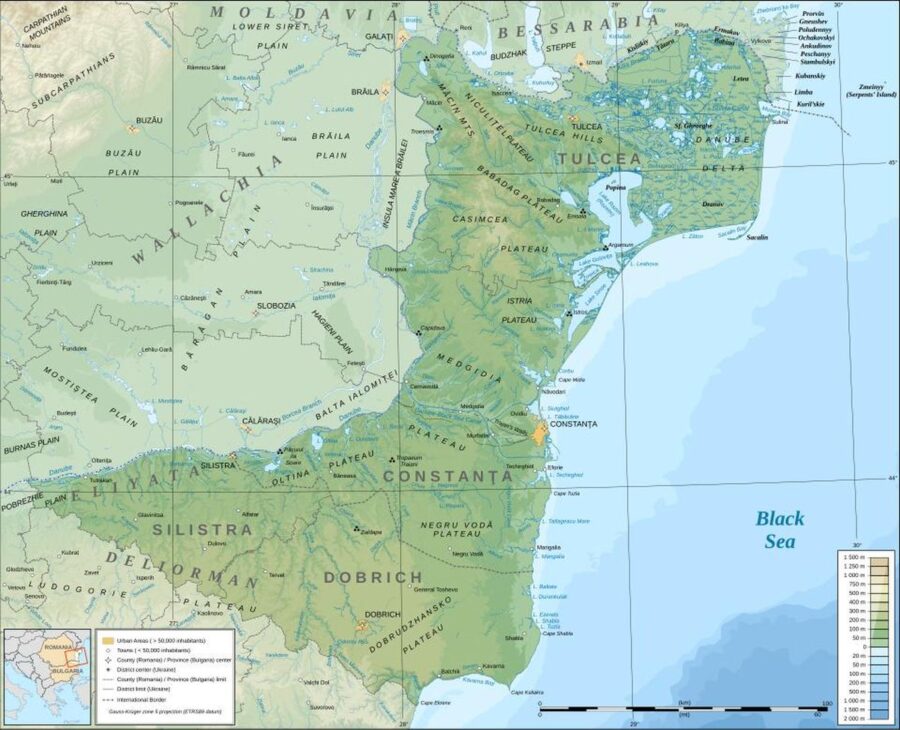
Dobrogea can ill afford an enclave. Constanța county produces more per head than the national average yet pays below-average wages, according to economists at Babeș-Bolyai University. Tulcea, to the north, has lost more than a quarter of its people since 1992.
Brussels, meanwhile, has blurred the line between money meant to close regional gaps and money meant for defence. The mid-term review of cohesion policy let governments move regional funds into defence; Romania, the fourth-largest reallocator, shifted €2.8bn to new priorities. That makes Mihail Kogălniceanu a test of whether security spending can also buy cohesion.
Romania is building a city for NATO. Dobrogea should get to live in it.
The base’s military core, and the contracts that build it, must stay classified. The town around it need not. Housing, schools, roads and utilities could be tendered in lots small enough for firms from Constanța and Tulcea to bid for. EU defence-procurement rules already let a ministry require winning bidders to subcontract up to 30% of a contract through open competition. Training and recruitment could be planned with the county and neighbouring communes.
The runway will be built either way. Whether a town grows on both sides of the fence remains Romania’s choice.
(PHOTO: Inquam Photos / George Călin)
Citește și: Apărarea României în fața dronelor rusești: Se simt românii mai în siguranță?